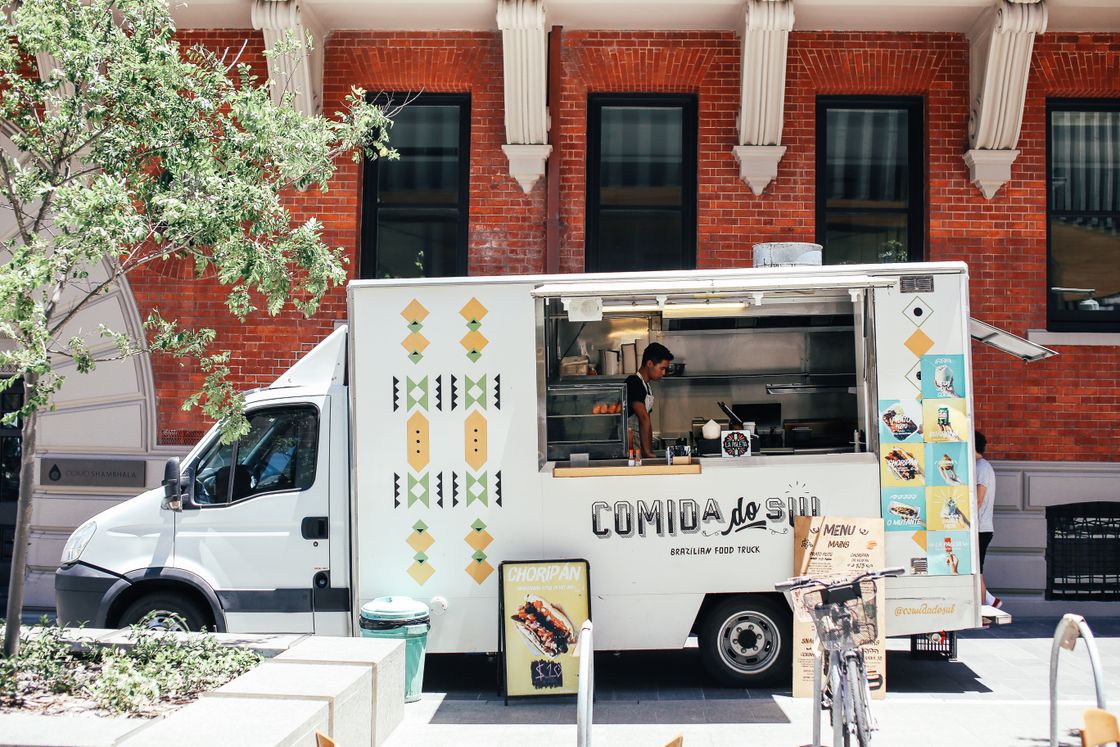
A used food truck can give your business a useful starting point. Its value depends on the vehicle, the food-service equipment, the approvals you can obtain and the repairs needed before opening. Evaluate all four before paying a deposit.
REQUEST THE DOCUMENTS
Ask for the vehicle identification number (VIN), title status, registration information, mileage, maintenance history and an inventory of installed equipment with model numbers. Verify the seller's legal ownership and any lien or financing interest through the appropriate state title authority. Ask how the transaction will transfer clear title.
If the seller claims the truck is currently licensed, request the relevant records and confirm their meaning directly with the licensing authority. Existing approval may apply to the seller, menu or jurisdiction rather than transferring automatically.
GET TWO PROFESSIONAL INSPECTIONS
Have a qualified mechanic examine the engine, transmission, brakes, tires, steering, suspension, frame, corrosion and maintenance needs. Ask for a written repair estimate.
Have the food-service installation examined by appropriately qualified specialists. Relevant areas include the condition of wiring, power supply, plumbing, potable water and wastewater tanks, refrigeration, cooking equipment, ventilation and fire protection. Fuel or electrical systems should be evaluated and serviced by qualified personnel.
Ask for a demonstration of installed equipment in a safe, appropriate operating environment. Check access to service areas and whether replacement parts are available.
SEND THE MENU AND LAYOUT TO YOUR REGULATOR
Request the food-service authority's requirements for your exact operation. If plan review is required, find out whether proposed alterations must be approved before construction. The FDA state directory is a useful way to locate the responsible agency; you may also need county or city authorities.
A truck can look ready to trade and still need alterations before your local inspection.
CALCULATE THE REAL PURCHASE PRICE
Here is an illustrative comparison of two hypothetical units. The amounts are not market averages.
| Cost | Unit A | Unit B |
|---|---|---|
| Asking price | $18,000 | $24,000 |
| Mechanical repair estimates | $5,000 | $800 |
| Required kitchen modifications | $4,500 | $700 |
| Inspection, transport and transfer allowance | $1,000 | $1,000 |
| Initial total | $28,500 | $26,500 |
A higher asking price can lead to a lower initial cost. The estimates still need a contingency, insurance, opening inventory and ongoing operating funds.
BUYER CHECKLIST
- Verify seller identity, VIN, title and liens.
- Obtain independent mechanical and kitchen-system inspections.
- Confirm your menu and proposed layout with the responsible regulator.
- Itemize every included piece of equipment in the written sale agreement.
- Check local transfer, registration, tax and insurance requirements.
- Obtain repair and modification quotes.
- Use a documented, verifiable payment and title-transfer process.
- Keep an operating reserve after the sale.
Be cautious of a seller who pressures you to transfer funds before viewing documents or arranging inspection. A genuine listing is a starting point for due diligence.
When comparing listings, save the asking price, included equipment, inspection estimates and approval questions together. Make the decision using the complete cost of getting the business ready to serve.