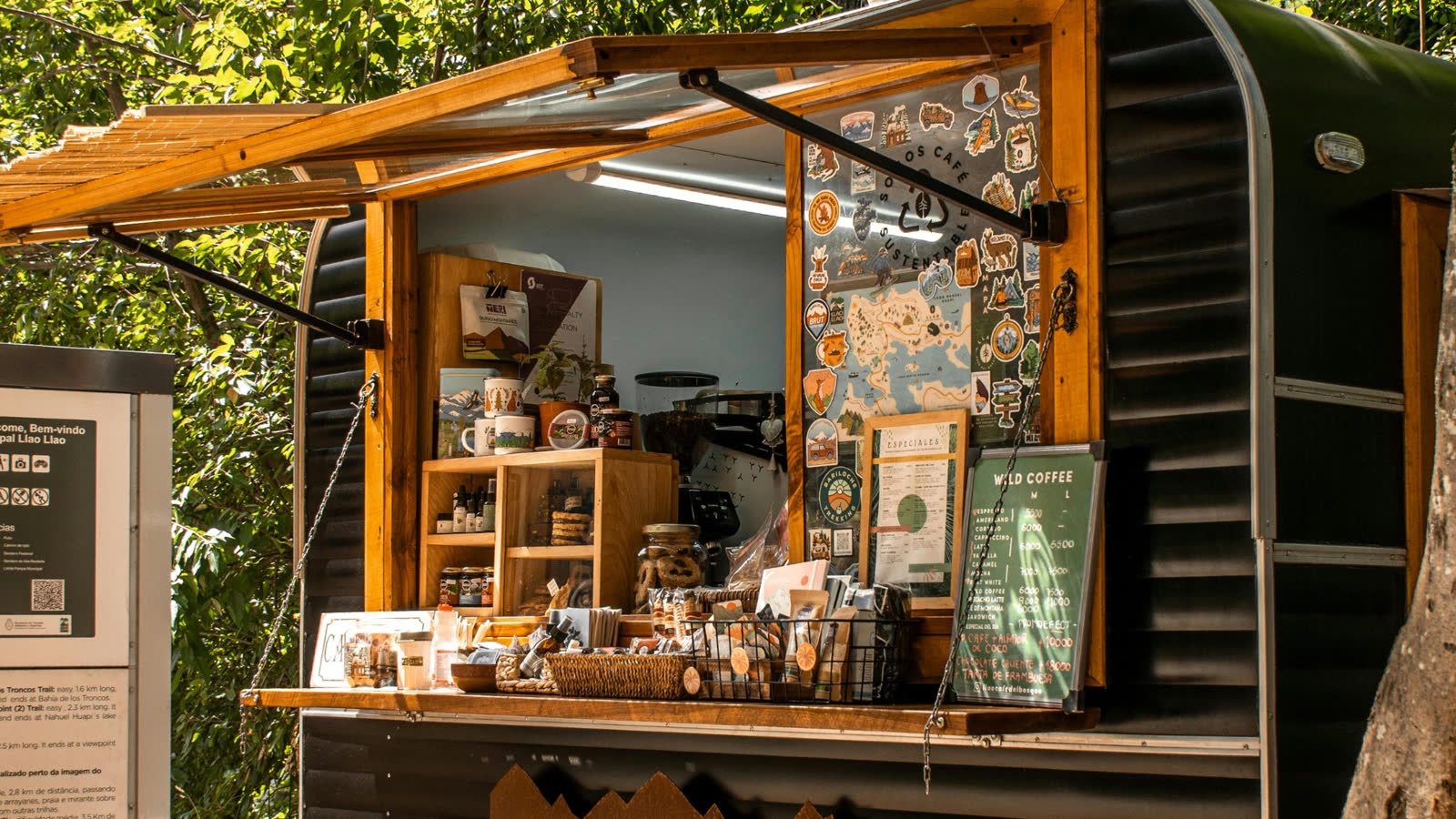
Your first successful Saturday might be at a brewery, serving a handful of dishes you have perfected. Customers come back the following week. A regular asks whether you cater office lunches. That is how a mobile food business can begin: with a clear menu, a dependable place to serve it and a reason for people to return.
Starting a food truck business in 2027 requires a concept that customers want, a legal and safe way to prepare and serve it, and a budget that supports the business through its first months. Work through those decisions before choosing a truck.
CHOOSE THE MENU FIRST
Choose one kind of customer and one occasion. A breakfast truck at an office park has different equipment and timing needs from a late-night taco trailer or a wedding coffee cart. Write down your three to five core items, portion sizes, ingredients and the number of orders you can realistically prepare per hour.
Visit local markets and recurring food truck locations. Look at the prices, the length of the lines, what sells out and which businesses return each week. Speak with venue managers about their booking requirements.
CHECK YOUR PERMITS BEFORE BUYING EQUIPMENT
Contact the health department responsible for the places where you expect to operate. Describe the exact menu, the unit you want to use and your preparation location. Ask about plan review, a mobile food permit, water and wastewater, refrigeration, handwashing, commissary arrangements and inspections. Contact the local licensing and zoning offices about vending locations, and the fire authority if your setup uses cooking equipment or fuel.
The FDA publishes a model Food Code, but jurisdictions adopt their own requirements. Use the state directory below to find the appropriate agency. A seller's assurance that a truck is licensed is not a substitute for your own approval.
BUILD A STARTUP BUDGET
Separate purchases from ongoing expenses. Include the vehicle or cart, inspection and repair costs, equipment, licenses, insurance, initial ingredients, packaging, payment processing, storage or commissary charges, fuel and a reserve for slow weeks. Get written local quotes before committing to financing.
Ask yourself what a slow month looks like. Can you cover insurance, loan payments and food purchases if two outdoor events are canceled?
CHOOSE YOUR FIRST SELLING LOCATIONS
Look for a dependable recurring stop and a second type of booking, such as private parties. Get the property owner's permission and confirm the permit conditions. Record the expected audience, hours, vendor fee, available utilities and cancellation policy before agreeing to attend.
A first event is a test of your menu, your service speed and your costs. Count orders, measure what you use, and write down what customers ask for.
YOUR OPENING CHECKLIST
- Confirm the concept and ingredient costs.
- Obtain required business, health, fire and location approvals.
- Arrange suitable equipment, approved preparation space and insurance.
- Set prices, payment methods and a clear public menu.
- Test service, cleaning, transport and storage procedures.
- Confirm your first bookings and keep funds available for operating expenses.
- Set up daily sales and expense records.
FREQUENTLY ASKED QUESTIONS
Do you need a truck to start? A permitted cart, trailer, temporary booth or eligible cottage-food business may be a better fit for your menu and budget.
Should you buy equipment before talking to the health department? Obtain the relevant requirements first, particularly for used or converted units.
Can you start while working another job? A weekend or private-event schedule can be a practical way to test demand, provided you can meet preparation and licensing obligations.
When you have a business worth repeating, give customers a dependable way to find your menu, place orders and request event bookings.
Explore the JavaMobile demos to see how a mobile food business can organize its menu, customer orders and bookings.