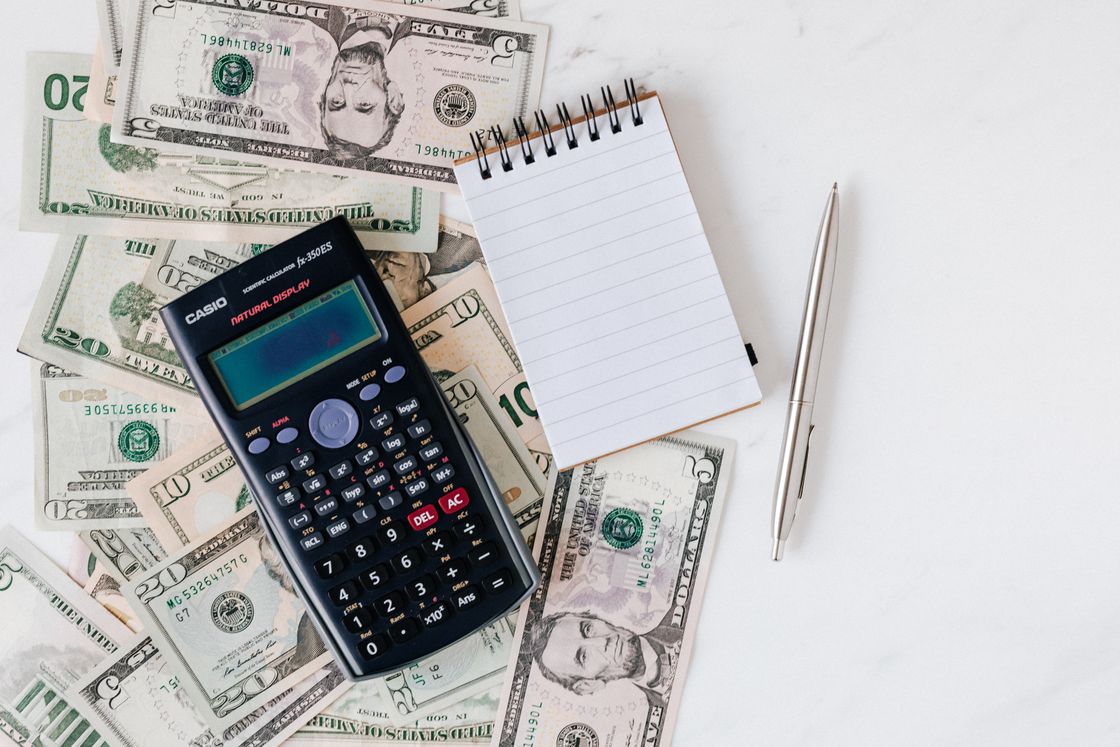
The best-selling item on your menu deserves a closer look. How much does it cost to make? How long does it take to prepare? How many orders can you serve during a busy lunch?
Menu pricing works when each sale contributes enough to cover the day's expenses and your business earns an appropriate return for the work involved.
CALCULATE THE COST OF A SINGLE SERVING
Use a standard recipe with measured portions. Divide the cost of each purchased ingredient by the usable amount. Include yield loss where relevant, then multiply by the quantity in one serving.
For a hypothetical sandwich:
| Ingredient or supply | Cost per serving |
|---|---|
| Bread | $0.65 |
| Filling | $2.10 |
| Cheese and vegetables | $0.75 |
| Sauce | $0.20 |
| Packaging and napkin | $0.35 |
| Allowance for waste | $0.20 |
| Total | $4.25 |
Use your actual supplier invoices and expected yield. Recalculate after a supplier changes prices or a recipe changes.
ACCOUNT FOR FEES
If the sandwich sells for $11 and the assumed transaction fee is 3%, that adds $0.33. The example leaves $6.42 per sale to cover fixed costs and contribute to profit.
If a festival also charges 10% of sales, an additional $1.10 applies. The contribution falls to $5.32. The same menu price produces different financial results depending on where you sell.
Use the payment provider's actual fee schedule, including per-transaction charges, and exclude sales taxes collected for the government from business revenue.
TEST THE BREAK-EVEN POINT
Suppose the service has $320 in fixed and allocated expenses, including labor, travel, site fees and a share of insurance or kitchen costs. At $5.32 contribution per sandwich, you need to sell 61 sandwiches to cover the assumed costs, rounding up to a whole order.
The SBA describes the general break-even calculation as fixed costs divided by contribution per unit. When you sell several items, use a realistic sales mix and average contribution rather than treating every customer as if they bought the same sandwich.
CHECK THE LOCAL MARKET
Review competing menus and ask customers about their preferences. A premium item may support a higher price if the portion, quality and experience justify it. A product that takes much longer to prepare may need a different price or a simpler recipe.
Consider combos that use ingredients already on the menu. Track whether the add-on increases actual contribution rather than simply increasing the amount customers spend.
REVIEW EVERY MONTH
Save supplier invoices, record waste, and compare the predicted cost per serving with actual purchasing and sales. Update prices when needed. Keep the public menu and point-of-sale prices consistent.
FREQUENTLY ASKED QUESTIONS
Is a target food-cost percentage enough? It is one useful indicator. Fees, labor, overhead and the number of orders still determine the result.
Should every item have the same margin? Different products can contribute differently. Review the complete menu and the actual mix of orders.
How do you include your own time? Use a realistic owner labor allowance in planning so you can compare the business with other ways of using your time.
Explore JavaMobile's menu and business-management demos when you're ready to organize your own menu.