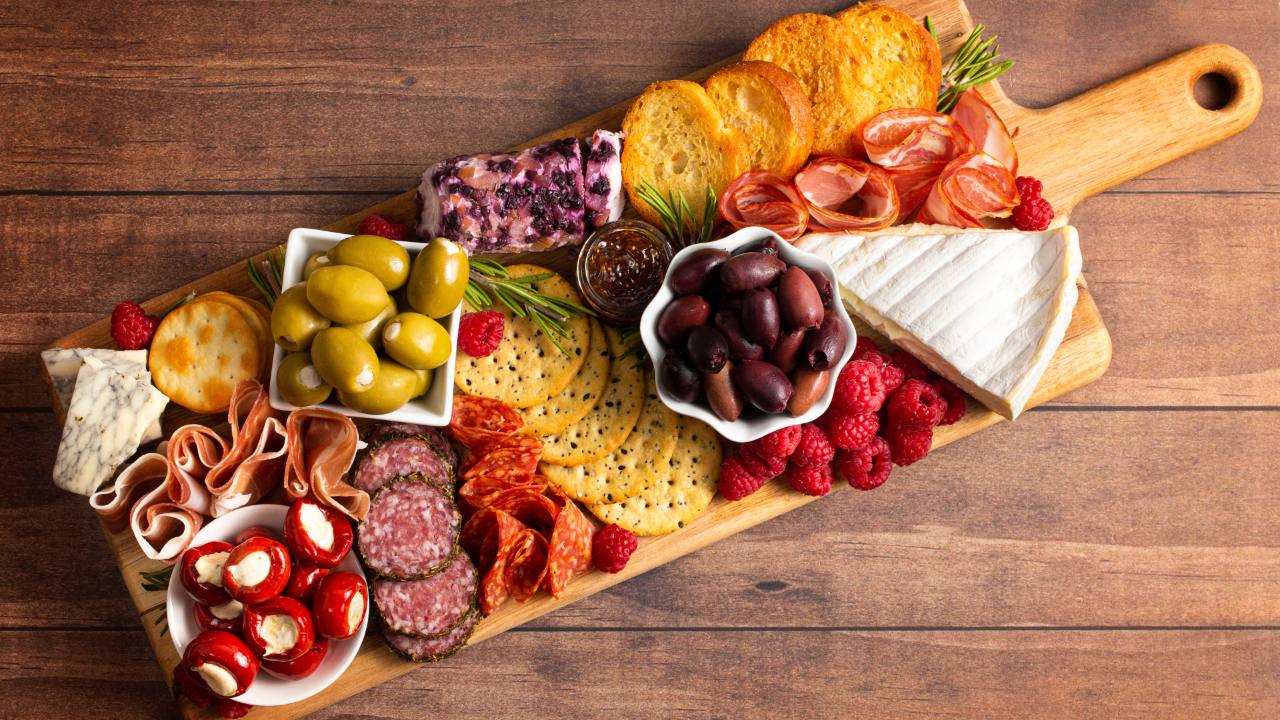
A grazing cart can become part of a wedding reception, a bridal shower or an afternoon at a winery. Guests choose from a carefully arranged menu, and the event host pays for a service with a defined guest count.
This is a distinct business model from a full-service restaurant. It rewards presentation, thoughtful portions and dependable event planning.
A REAL EXAMPLE OF STARTING SMALL
The Arkansas Small Business and Technology Development Center reported in June 2026 that Shayley Moudy launched The Social Spread in July 2025 after seeing a cart concept on TikTok. She built the cart with help from her father and developed a business that later offered additional mobile event services. The center also describes the role of social media in her bookings.
Her story illustrates how a single cart concept can develop into a broader event business. It is an individual example, rather than a guarantee of another operator's results.
CHOOSE YOUR OFFER
Consider three formats:
- Individual grazing cups for a defined number of guests.
- Staffed cart service with a selection of cheeses, meats and accompaniments.
- Preordered grazing boards delivered or collected through an approved arrangement.
For each format, calculate the quantity of every ingredient per guest. Define the options and dietary requests you can safely accommodate. Avoid promising allergen-free preparation unless you can substantiate the procedures.
PLAN FOR FOOD SAFETY
Meats, many cheeses and cut produce may require time and temperature controls. Confirm approved preparation locations, storage, transport, display, handwashing and cleaning procedures with the local health department. Ask how the relevant rules apply to your exact ingredients and service method.
A beautiful display needs to work as a food-service station. Determine how ingredients will be replenished safely and how leftovers will be handled.
SET A PACKAGE PRICE
Suppose a 50-guest booking has the following estimated costs. These are illustrative figures that must be replaced with local prices.
| Cost | Example |
|---|---|
| Food, $5 per guest | $250 |
| Cups and service supplies | $50 |
| Preparation, service and cleanup labor | $180 |
| Transport | $40 |
| Allocated overhead | $60 |
| Total before transaction fees | $580 |
If the package price is $800 and payment processing is assumed to be 3%, $196 remains before income tax and other unlisted costs. A larger guest count will change the quantities, labor and service capacity. Quote the entire event rather than multiplying a food cost without accounting for the work.
BUILD RELATIONSHIPS WITH VENUES
Contact wedding coordinators, event venues, photographers, wineries and corporate administrators. Provide images of your actual cart, sample menus, guest-count limits, setup requirements and service-area details. Offer a clear way to request availability.
Your agreement should state the booking date, location, package, guest count, deposit, payment schedule, cancellation terms and dietary request deadline. Obtain permission before using event images for promotion.
GROW WITH YOUR BOOKINGS
If clients repeatedly request mocktails, desserts or another service, calculate the new equipment and labor requirements before expanding. A focused cart that serves bookings dependably provides the evidence you need to decide what to offer next.
Explore the JavaMobile charcuterie demo to see a menu and private-event inquiry experience.